Kew car keys need the same planning as parking in Kew. Keep a spare key somewhere safe, know who holds every key, and read each parking sign before you walk away. Residents, renters and visitors all do better when keys and parking sit in one plan.
Most vehicle trouble here comes from small gaps. A single working key, a permit that never arrived, a fob nobody can account for. This guide covers street and permit parking, spare key habits, key handover, access fobs, and what to do after a lost key or a lockout.
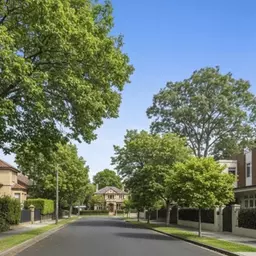
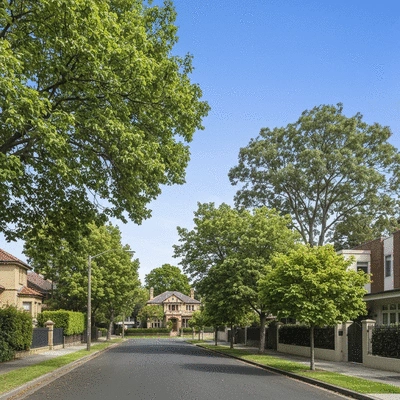
Kew mixes busy streets with quiet ones. Kew Junction and High Street carry shoppers, trams and delivery vans. Nearby side streets fill with commuters, school traffic and visitors. One resident may park in a driveway overnight, on the street at lunch and in a shared basement at work. Each place asks something different of your keys.
Keys and parking also affect each other. A car left on the street needs a tighter key routine than a car in a locked garage. A shared driveway needs a clear rule about who holds the remote. A rental needs a written record of every key and fob.
Boroondara Council sets the street parking rules in Kew. Balwyn sits in the same council area, so most of the permit advice below applies there too. Doncaster falls under a different council, so check its own rules before you assume the same signs. For tram routes and other ways to leave the car at home, see getting around Kew.
Start with the council's own page. Boroondara's residential parking permit page sets the eligibility rule. You can apply if you live in a permit zone street, or in a street with time limits of one hour or more. Only residents of the property can apply, and each property gets one application at a time.
Two permit types exist. A specified vehicle permit covers one named vehicle and sits in the lower left corner of the windscreen. A visitor permit hangs from the rear-view mirror and suits a guest's car. It can also suit a car in a share household.
Limits depend on the home. The council page lists these rules:
Renters should expect to prove their address. The council accepts a lease signed by the landlord or agent, a letter confirming the tenancy, or a recent bill. It aims to reply within 10 days. Permits renew every two years, and the page names July 2027 as the next round.
The page shows no update date, so treat it as a guide and confirm with the council before you rely on it. Council has also run parking consultations for individual Kew streets. A rule that applied last year may have changed, so the signs on the pole always win over memory or a neighbour's advice.
Keep one spare somewhere safe, away from the vehicle. Victoria Police advises keeping spare car keys in a secure place at home or at work. It also says to keep keys out of the car and to put a mobile number on a key tag instead of your name and address. A tag with an address tells a thief where the car lives.
Security matters because of how modern cars are stolen. Victoria Police says more than 10,000 vehicles are stolen each year by thieves using electronic devices, about 30 a day. The same page lists a signal-blocking pouch or box for key fobs and an on-board diagnostic port lock for push-start cars.
Decide who holds each key. A simple pattern works for most households:
Keep a one-line note on your phone, such as "Two keys, both start the car, spare in the study." Store it away from the key ring and the car. Update it when a key moves.
Cut a spare while a working key still exists. Many modern keys carry a transponder chip that the immobiliser must recognise. A blade that opens the door but will not start the engine is not a working spare. Test every new key at home. Lock the car, unlock it, start it and try each remote button.
Riders should do the same. Some motorcycles use transponder keys, so a worn bike key deserves a spare early. Keep the spare apart from the bike cover and the steering lock key.
Check first, then call. Retrace your steps, look in bags and pockets, and check the boot and the door pockets. If a child or animal is locked inside a hot car, call 000 straight away. That situation is an emergency, not a key problem.
Next, choose the right helper for the job. Each one suits a different situation.
Roadside assist. Call it if you hold a membership and the car is stuck on the street. Some memberships include lockout help, so check your plan before you book anything else. Roadside crews also cover flat batteries and tyres, so one call can solve more than one problem.
Your insurer. Call it if a key may have been stolen, or if the loss followed a break-in. Policies differ on key replacement cover, so read yours. Report a suspected theft to police as well.
A mobile vehicle locksmith. This helper suits all-keys-lost jobs, spare keys, and transponder or smart key programming. It also suits broken keys in a lock or ignition, and locked cars you want opened without damage. A mobile service comes to the car, so the vehicle does not need towing. Drivers in Melbourne's eastern suburbs can ask a locksmith doncaster about replacing a lost car key, programming a spare or opening a locked vehicle without damage. Confirm that the service covers your address before you book.
Have your details ready for any of these calls. You will need the registration number, the make and model, the car's exact location and your photo identification. Expect to prove the vehicle is yours before anyone cuts or programs a key.
When the work is done, test every function. Ask whether the lost key can be removed from the vehicle's memory where the system allows it. A key you cannot find may still start the car.
Hypothetical example: a driver parks near Kew Junction, shops for an hour and finds the only smart key missing. She checks her bag, retraces her steps and finds nothing. She calls her insurer to ask about key cover, then arranges a replacement. She also checks the nearest sign, so the car does not collect a fine while she waits.
Read every sign from top to bottom and left to right. Victoria Legal Aid's parking guide says time limits apply only on the days and hours shown. A sign that names a weekday does not apply on a public holiday that falls on that day. A sign with no day applies every day.
The same guide lists these spacing rules, which apply without a sign:
The guide does not cover tram stops, school zones or clearways. Read those signs on the day, and check Transport Victoria for the detail. Trams run along High Street and Cotham Road, so never leave a car where it could block a track or a stop.
School streets need a test run. Signs near a school often add limits for pick-up and drop-off, and the rules can change within one street. Several schools publish their own drop-off maps. Families weighing Kew school catchment areas can add the morning and afternoon parking pattern to their street check.
Commuters face a different choice. If you drive to a tram stop or into the city, the Kew to Melbourne CBD commute guide compares travel costs, including parking. A driver who circles for a bay pays in time as well as fuel.
Riders have one extra option. The same guide says motorcycles and scooters may park on a nature strip next to a road. The bike must be safe and out of the way, and no sign may forbid it. Leave room for people to walk past and keep clear of driveways.
Test your own street at three times: a weekday morning, the school pick-up hour and a Saturday afternoon. Photograph the signs before you leave the car. A photo helps if you ever need to challenge a fine.
A handover is the moment keys go missing. Count every key, remote and fob before the agent or the previous tenant leaves. At a lease start, the condition report should list each item. Photograph them on a table so the count is on record.
Share households need more structure. List who holds which key, and write it where all housemates can see it. A shared car can use a visitor permit from the council, which suits a vehicle registered at the address. Agree who gets the permit, and who pays for a spare.
Keep the rules simple:
When a housemate leaves, check the count again. For a keyless car, ask whether a lost or unreturned fob needs removing from the vehicle's system. For an access fob, ask the building manager to cancel it. Tenants should note that the landlord will count the house keys again at the end of the tenancy.
Hypothetical example: three housemates share one car and one garage remote. They write each holder's name on a note and photograph the key set. When one moves out, the other two check the count in minutes instead of arguing later.
Apartment blocks run access through a shared system. A gate, a basement door or a lift may be managed for the whole building, often through an owners corporation. Ask who issues fobs, who cancels them and how long a cancellation takes. A lost fob needs cancelling quickly, because it still opens the door for whoever finds it.
The permit rules matter here too. A unit built after July 2011 is not eligible for any residential parking permit under the council page. A resident of such a building needs a secure bay, not a street space. Confirm that the bay number matches your lease or title before you move a vehicle in.
Check the bay itself. Measure the entry height against roof racks. Open the driver's door fully to see whether a pillar blocks it. Find out whether the building has a motorcycle space, because a car bay can leave a bike exposed.
For a standalone house, the job is smaller. Note the opener's make and model, find the manual release and keep every remote with the household. Never try to reset a shared system yourself, because other residents rely on it. Visitors need a plan as well. Ask the building manager how a guest gets a temporary fob or a visitor bay.
Most lockouts follow a short list of repeat mistakes. Build habits against each one.
Keyless cars need one extra rule. Store the fob away from the front door at night. Police list a signal-blocking pouch for this reason. Ask a vehicle security shop what suits your make and model.
Riders should take helmets and jackets inside, use the steering lock every time and chain the frame to a fixed object. A bike key left on a hook near a window is easy to spot from outside.
Keys and parking solve the same problem: keeping a vehicle where you left it and under your control. In Kew that means reading each sign, learning the permit rules that apply to your home and keeping spare keys apart from the vehicle. It also means knowing who holds every key and fob. When a key does go missing, the right first call depends on the cause, and a tested spare shortens the whole process.