Travel Duration Insights (Peak Hours)
Train~20 mins
Tram~30 mins
BusVaries (traffic)

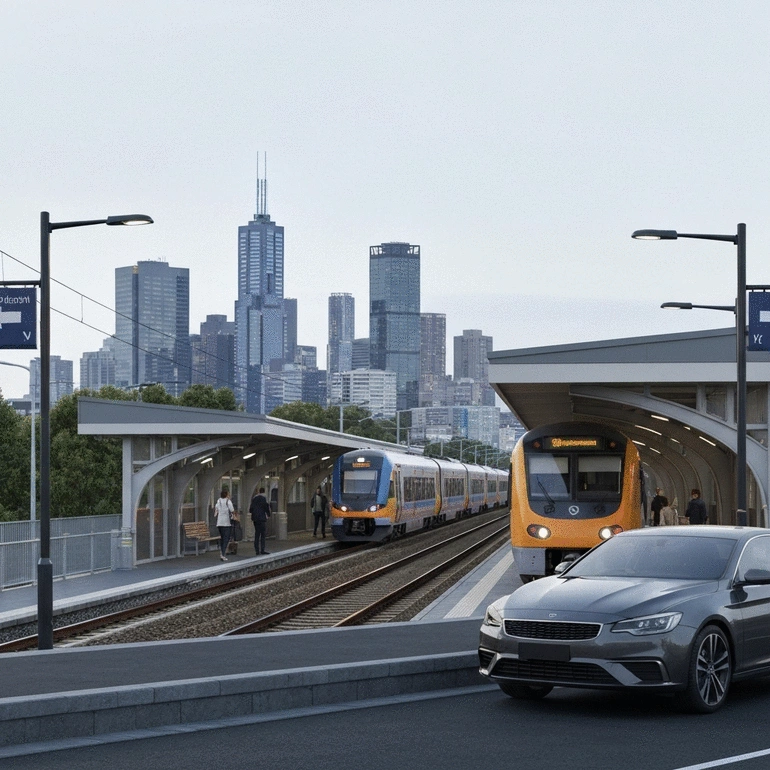
What if your daily commute could transform from a hassle into a seamless part of your day? With the right insights into commuting from Kew to Melbourne CBD, you can not only save time but also enhance your lifestyle.
A quick breakdown of travel times and costs for commuting from Kew to Melbourne CBD, highlighting key comparisons between public transport modes and driving. For a broader understanding of the area, you might also be interested in a Kew Melbourne real estate overview.
(Operate every 10-15 mins)
(Real-time updates & journey planning)
Living in Kew has its perks, especially when it comes to commuting to Melbourne CBD! With its prime location just a few kilometers from the city center, Kew offers a variety of transport options that make your daily journey both convenient and efficient. As a real estate consultant, I often hear from families and professionals about the importance of a smooth commute—after all, your daily travel can significantly impact your lifestyle.
For those residing in Kew, the proximity to Melbourne CBD means that various transport modes are readily available. Whether you're a busy professional heading to the city for work or a family person running errands, understanding these options can greatly enhance your commuting experience. Efficient transport not only saves time but also helps you enjoy the vibrant lifestyle that Kew and Melbourne have to offer!
These options ensure that no matter where you're headed, you can find a suitable mode of transport that fits your schedule and needs. For more detailed information on local transport, check out our getting around Kew transport guide.
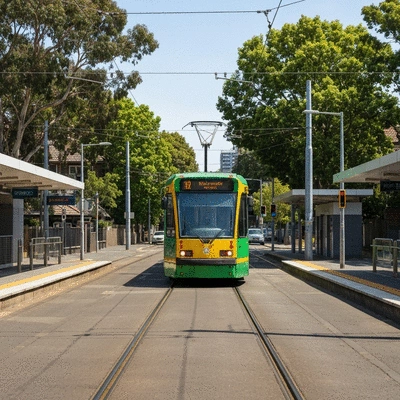
Trams are a popular choice for Kew residents commuting to the city. The 109, 48, and 16 tram routes serve as main arteries connecting you to Melbourne CBD. The 109 tram runs from Box Hill to Port Melbourne, passing through Kew and offering easy access to the heart of the city.
These trams typically operate every 10 to 15 minutes, providing flexibility for your travel plans!
In addition to trams, Kew boasts a solid bus network and train connections. Bus services like the 200 and 207 run through Kew, offering routes to various suburbs and the city. If you prefer trains, the nearest stations—Kew and Hawthorn—provide direct access to the city. On average, train travel from Kew to the CBD takes about 20 minutes, making it a quick and convenient option.
With these choices, you can easily find a transport mode that suits your routine and preferences!
Understanding the travel durations for each mode of transport is key to making an informed decision. On average, trams take about 30 minutes to reach the CBD during peak hours, while buses can vary depending on traffic conditions. Train travel remains the quickest option, with an estimated 20-minute journey time. However, it's crucial to consider peak vs. off-peak travel, as congestion can significantly affect your overall commute time.
When considering your options, it's essential to look at the costs involved. Using a Myki Card for public transport, a single fare to Melbourne CBD is approximately $4.50 during peak hours. In contrast, if you choose to drive, you'll need to factor in fuel costs, parking fees, and potential tolls. For many commuters, public transport often proves to be the more economical choice!
Carpooling is another viable option worth considering! By sharing your ride with others, you can save on fuel and parking costs, making it a cost-effective alternative to both public transport and driving alone. Plus, it adds a social element to your commute! Evaluating the costs of carpooling compared to regular public transport can help you make a choice that fits your budget.
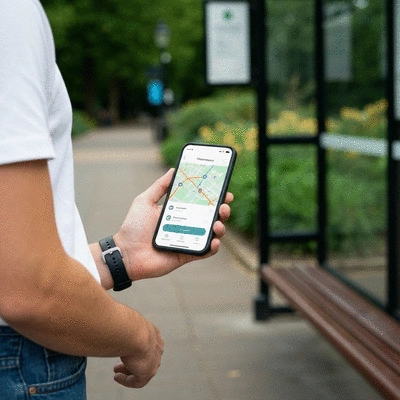
Staying informed about any potential service disruptions is crucial for a smooth commute. Public transport apps and websites provide real-time updates on tram and train services. By regularly checking these resources, you can adjust your travel plans accordingly and seek alternative routes if necessary. Being prepared means less stress and more time enjoying your day!
Accessibility is an essential aspect of Kew's transport services. Trams and trains in the area come equipped with features to assist disabled and elderly commuters. Think about wide doors, low-floor trams, and spaces for wheelchairs—these features make travel easier for everyone, ensuring that transport is inclusive and accommodating.
For those who prefer cycling, Kew offers several bike storage options at tram and train stations. Bicycle rentals are also available nearby, making it easy to incorporate biking into your daily routine! Cycling not only adds a physical activity element to your commute but also helps reduce your carbon footprint. You can discover more about local trails in our guide to exploring Kew's walking and cycling trails.
As you consider your commute, don't forget to reflect on Kew’s vibrant lifestyle amenities. From local cafes to parks and recreational areas, Kew offers a community atmosphere that enhances your daily living experience. It’s not just about commuting—it's about enjoying the journey and connecting with the local culture!
Lastly, leveraging travel apps can significantly enhance your commuting experience. Popular apps like PTV and Google Maps provide real-time updates, journey planning, and traffic conditions. These tools can help streamline your travel, allowing you to navigate Kew and the Melbourne CBD with ease!
Did you know? Utilizing real-time public transport apps like PTV can save you not just time but also help you avoid crowded services. Check live updates for delays or disruptions, and plan your journey accordingly to ensure a smooth and stress-free commute!
As you think about commuting from Kew to Melbourne CBD, it’s essential to evaluate your preferences. This means considering the cost, convenience, and comfort of your commute. Each person’s needs can be different—some may prioritize saving money, while others might value a speedy journey. What matters is finding the right balance that suits your lifestyle!
Take a moment to reflect on what matters most to you. Would you prefer to spend less on transport, or is it more important for you to enjoy a stress-free ride? Understanding these factors will help you make an informed decision about your daily travel.
Once you've assessed these preferences, you can begin to narrow down your options. Remember, the right choice can make a significant difference in your daily life!
To help you plan your journey, there are several fantastic resources available online. These interactive tools can assist you in determining the best routes and costs for your commute:
Utilizing these resources can streamline your commute planning process, making it easier for you to navigate the transport system!
As you consider your commuting options, it's also important to be aware of the latest trends and their impact on the environment. Over recent years, many commuters have shifted towards public transport to reduce their carbon footprint. By opting for trams, buses, and trains, you're choosing a more sustainable way to travel.
Here are a few notable trends:
Understanding these trends not only helps you make informed decisions but also contributes to a healthier community in Kew!
Kew offers multiple public transport options, including tram routes (109, 48, 16), various bus services (e.g., 200, 207), and train access from nearby stations like Kew and Hawthorn. These options provide flexible and convenient travel to the CBD.
Train travel is generally the fastest public transport option, taking approximately 20 minutes from Kew to the Melbourne CBD during peak hours.
Yes, public transport is often more economical. A single Myki fare to Melbourne CBD costs about $4.50 during peak hours, significantly less than the combined costs of fuel, parking, and potential tolls associated with driving.
The main tram routes connecting Kew to Melbourne CBD are the 109 (Box Hill to Port Melbourne), 48 (Kew to North Balwyn & City), and 16 (Kew East to City via Swanston St). They typically run every 10-15 minutes.
You can stay informed about service disruptions and real-time updates by using public transport apps like PTV and Google Maps. These resources help you adjust your travel plans and find alternative routes if necessary.
Carpooling is a cost-effective alternative that helps save on fuel and parking costs. It also adds a social element to your commute and contributes to reducing traffic congestion and environmental impact.
As you gear up for your daily commute, keep in mind the key considerations we've discussed. Evaluating your commuting preferences, utilizing planning tools, and staying informed about trends can all lead to a more enjoyable experience. The right transport choice will not only save you time and money but also enhance your overall quality of life.
I'd love to hear from you! Share your commuting experiences or pose any questions in the comments below. Engaging with fellow Kew residents can foster valuable insights and a sense of community.
Lastly, if you have thoughts on public transport services, consider participating in commuter surveys. Your feedback can contribute to improving transport options not just for you, but for everyone in Kew. Together, we can advocate for a better commuting experience!
Here is a quick recap of the important points discussed in the article: